
Digital marketing in 2026 is no longer about choosing between AI, automation, or human creativity. It’s about bringing all three together in one system. Brands that achieve this balance, often with help from partners like Sapphire Digital Agency, will create campaigns that are faster, smarter, and more human than those of competitors who rely on tools alone.
AI as the strategic copilot
AI has shifted from being an experimental addition to a key copilot in modern marketing stacks. Instead of just generating keyword ideas or basic copy, today’s AI models understand intent, segment audiences, and even predict what will convert before a campaign launches.
Large language models and multimodal systems can analyze search data, CRM records, and behavior signals to suggest messaging angles, landing-page designs, and creative hooks. For instance, AI can identify patterns in user behavior to reveal micro-segments, such as “price-sensitive repeat buyers” or “first-time premium shoppers.” It can then recommend different offers for each segment. This approach goes far beyond generic personalization and allows agencies like Sapphire Digital Agency to create strategies that feel tailored while still being based on solid data.
AI also speeds up execution. It can produce multiple versions of ad copy, headlines, and visuals that fit the brand’s tone. Creative teams then refine these options instead of starting from scratch. This quick experimentation allows for A/B testing of many variations across search, social, and email, turning what used to be quarterly tests into weekly or even daily cycles.
Automation: from static flows to adaptive ecosystems
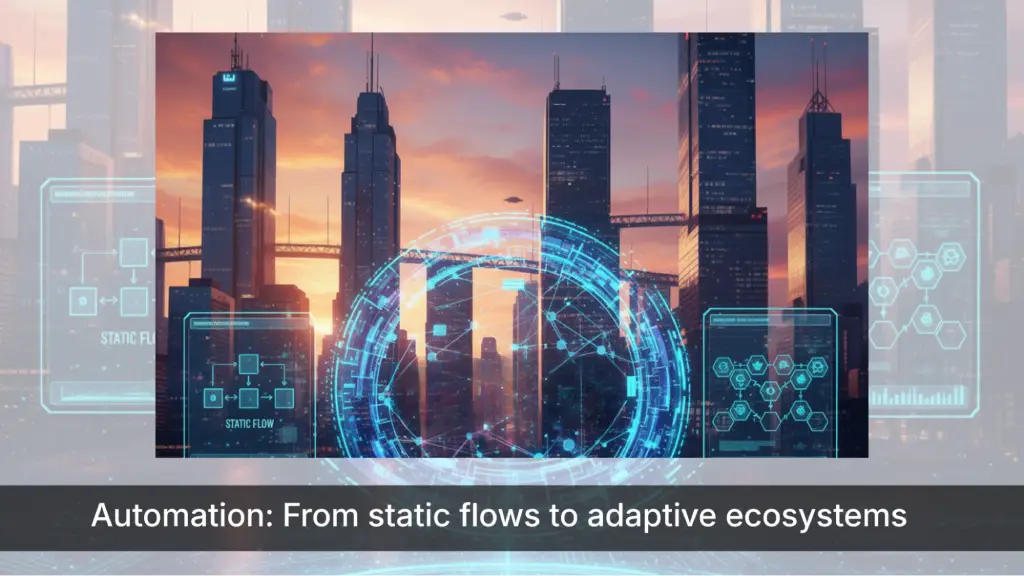
If AI is the brain, automation is the nervous system of digital marketing in 2026. Marketing automation platforms do much more than send date-based email sequences or simple retargeting ads. They manage entire customer journeys across email, SMS, social, push, and on-site experiences by using behavior, predictive scoring, and real-time triggers.
This change is supported by investment. More marketers report using automation, and adoption continues to grow as teams look for ways to scale without increasing headcount. Modern systems recommend the best times to send messages, suggest next best actions, and automatically pause or reroute customers when engagement drops. Instead of building dozens of workflows manually, marketers set goals and guidelines; the platform uses AI to adjust paths for each user.
For Sapphire Digital Agency, this means creating flexible lifecycle programs welcome, nurture, upsell, win-back that continuously learn from performance. If a prospect engages more with educational content than discounts, automation can prioritize guides, webinars, and case studies. If a loyal customer stops opening emails, it can switch to SMS or retargeting instead. Automation not only saves time but also boosts revenue by quietly optimizing thousands of small interactions in the background.
Human creativity as the ultimate differentiator
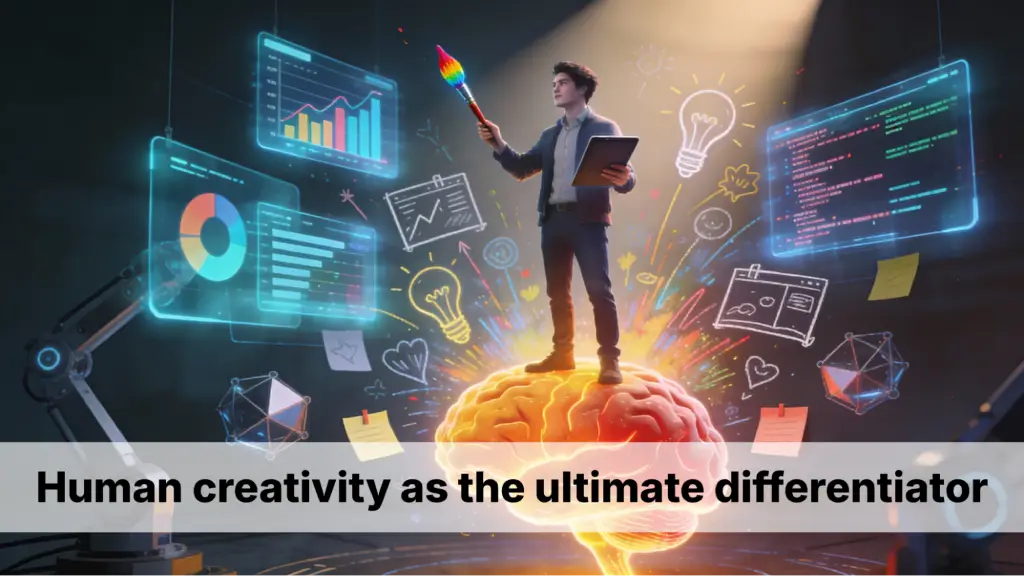
As AI and automation take on more operational tasks, human creativity becomes more valuable. Algorithms can remix patterns well, but they lack the experience, empathy, and cultural understanding needed to create truly impactful stories. In 2026, the most successful campaigns often begin with a human insight: a recurring frustration among customers, an identity they aspire to, or a cultural moment that resonates in a certain region.
Creative strategists then use AI to enhance their work; they test angles, explore formats, and evaluate messaging, but the main idea still comes from people. This is where agencies like Sapphire Digital Agency excel. They can take data-driven insights (for example, “this segment values control and transparency”) and turn them into branded stories, content pillars, and campaigns that feel distinctly human.
Founder stories, expert-led content, behind-the-scenes videos, and community-driven campaigns all foster emotional connection something generic AI outputs rarely accomplish alone. Another important area is creative governance. As more teams start using AI tools, someone needs to determine what is on-brand, ethical, and legally safe. Human marketers must establish style guides, approval standards, and boundaries for AI use (such as avoiding fake testimonials or misleading images). This approach allows for experimentation while keeping it responsible.
Data, privacy, and trust in an AI-first era
Powerful AI and automation rely on data, but in 2026, privacy, consent, and transparency are essential. With third-party cookies fading and regulations tightening, brands are shifting to first-party and zero-party data, which is collected through value-driven interactions instead of hidden tracking. Best practices now include clear preference centers, honest explanations of what data is collected and why, simple ways for users to customize their experience.
Customers are more willing to share data when they understand the benefits: smarter recommendations, fewer irrelevant messages, and better support. They also want assurance that their choices are respected. Agencies like Sapphire Digital Agency are increasingly creating privacy-first experiences by default. These include consent-aware tracking setups, compliant lead forms, and journeys that adjust based on declared preferences rather than shadow profiles. This approach not only helps avoid regulatory risk but also builds long-term trust, which is becoming a key differentiator as AI-generated content fills every channel.
How brands should prepare for 2026
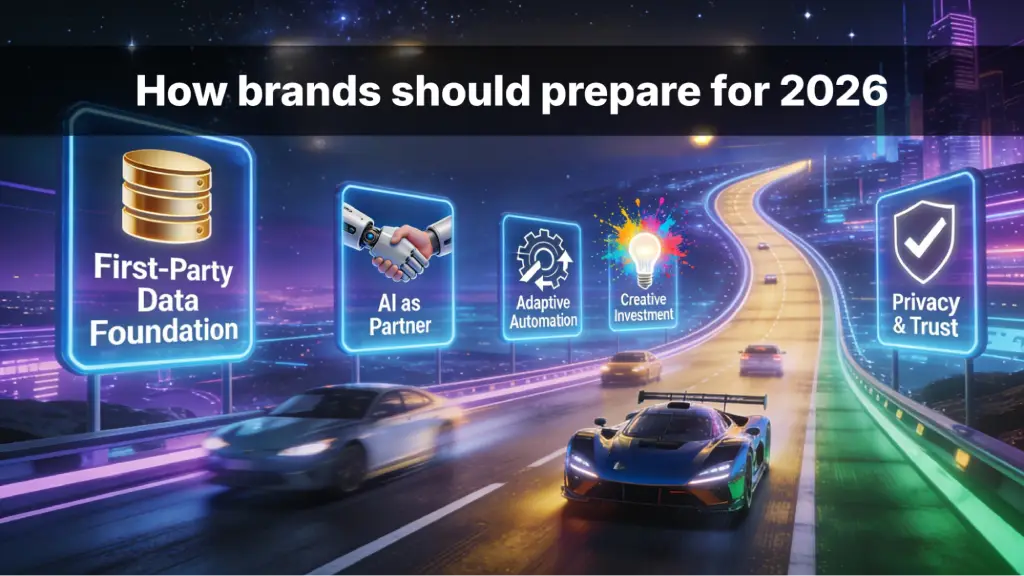
To succeed in this new landscape, brands must rethink people, processes, and platforms together rather than just adding AI to old habits. A practical roadmap includes:
- Upgrade data foundations. Clean, unified first-party data across CRM, analytics, and ad platforms gives AI and automation reliable inputs. This prevents “garbage in, garbage out.”
- Treat AI as a partner, not a replacement. Use it for research, ideation, drafting, and testing, but keep humans in charge of strategy, ethics, and final creative decisions.
- Automate with intent. Build journeys that adjust based on behavior and results, rather than one-time drip campaigns that never evolve.
- Invest in creative quality. Allocate budget and time for storytelling, design, and brand building. This ensures that automated distribution promotes content worth seeing.
Working with an expert partner like Sapphire Digital Agency helps brands connect these pieces. They can choose the right tools, design data-driven strategies, set up automation, and create human-centered content that AI can enhance rather than replace. In 2026, the future of digital marketing belongs to those who can connect intelligent machines with imaginative people and ethical, trusted data practices.